About Me
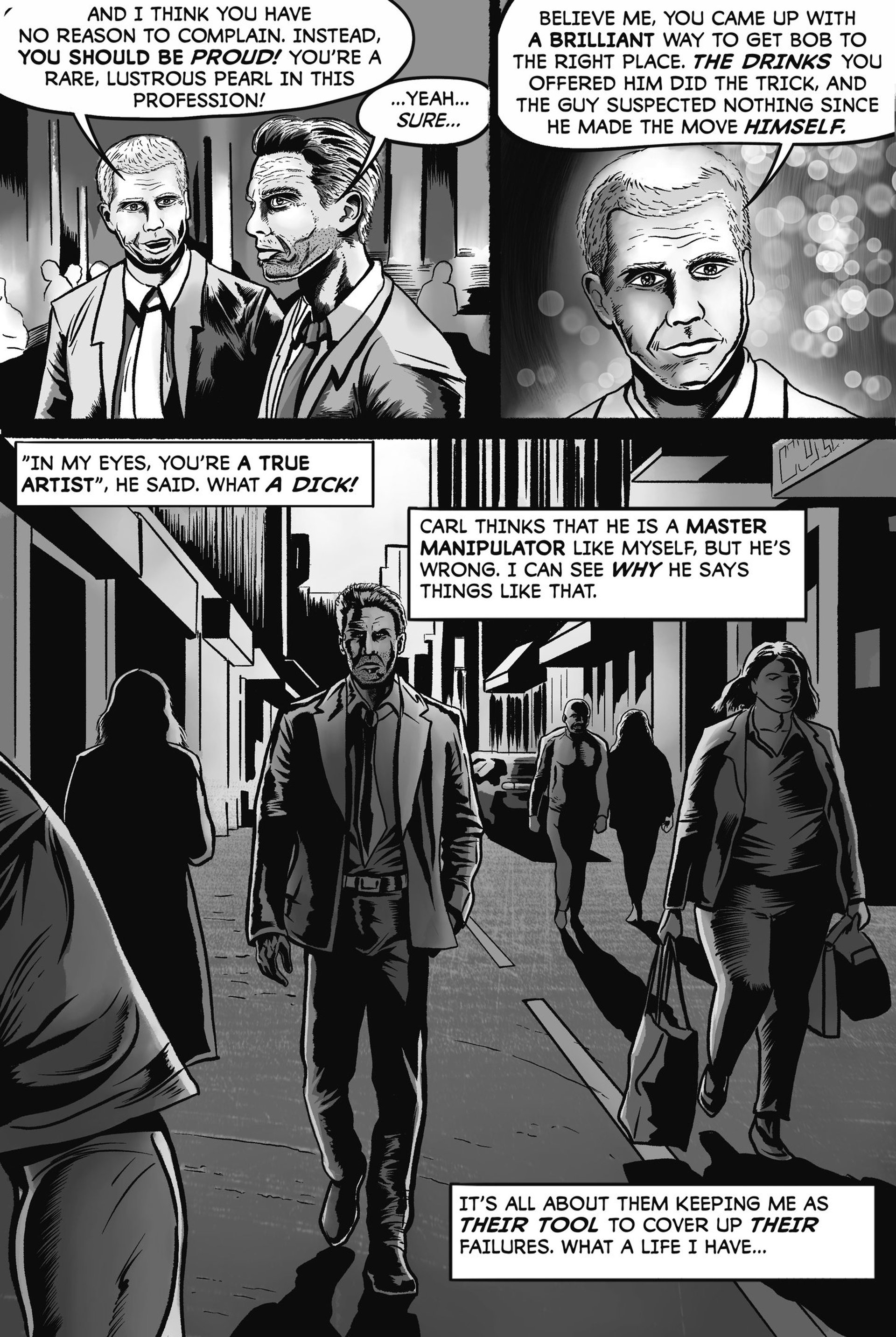
After years of family-friendly projects, I wanted a story that rips like a bullet through a gangster’s brain.
I channel my aggression directly into the work: in Fatal-Ray it shows in a tight script and in my artwork. My background spans mobile game writing, cutscenes, and trailers. Earlier work includes a board game that sold 6,000 copies and music videos.
Table of contents
Even though I’ve nearly died a couple of times, I’ve managed to live this long, and a lot has happened in my life. Not all of it will interest you, so here’s a shortcut through my comics-colored path.
Tap to read more
Tap to read more
Tap to read more
Tap to read more
Tap to read more
Tap to read more
Tap to read more
Tap to read more
Tap to read more
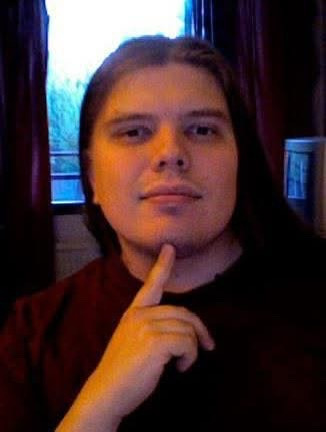
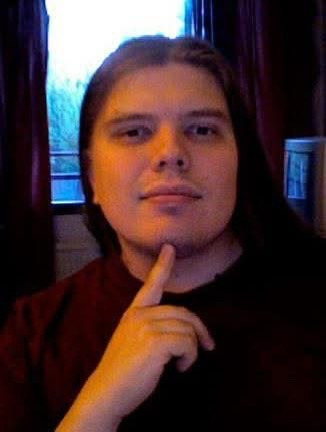
Trained Jack
Unlike my comic-book characters, I’m just a regular guy with a few media-related degrees, the latest being a film screenwriting degree from a university of applied sciences.


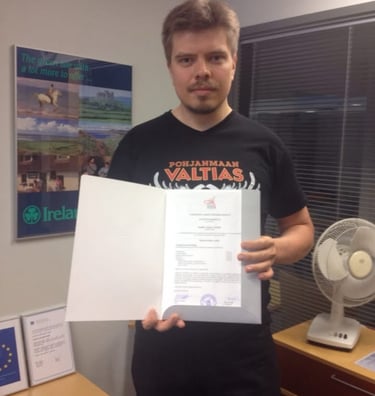
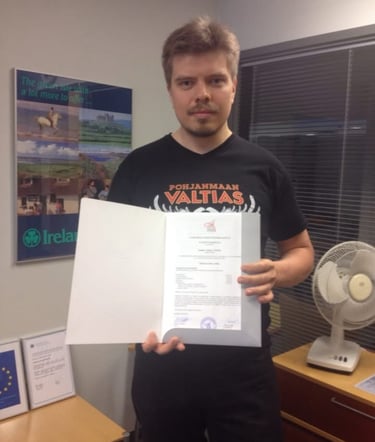
My graduation as a screenwriter in 2014.
High school graduation photo from 1998. My heavy metal clothes caused problems at school, so I included some of my gear from that era in the graduation picture.
I’ve applied that skill in both comics and games. For me, writing always starts with character, because the character is the one whose journey we follow. I’m fascinated by moments when a character has to choose and make decisions. The hardest part is making a character do something that goes against my values, but then you have to remember that the story isn’t about me, it’s about the character and the world around them.
Artist Jack
I’ve been drawing comics for almost my entire life. I’ve got countless drawer projects that will never see the light of day. Even my friends have only seen some of them.
Comics are not only a passion for me, but also a way to survive, and back in middle school that was literal. I was bullied at school, but when I drew comics, the bullying stopped because people liked them. And that was probably mostly because I drew crazy things people didn’t expect to see. But also because there was real passion behind what I did. That passion is still there today, because I named my dog after Conan the Barbarian, who is one of my favorite characters.
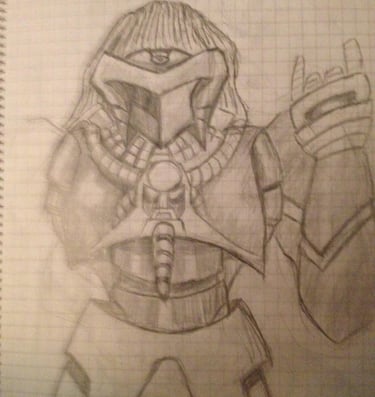
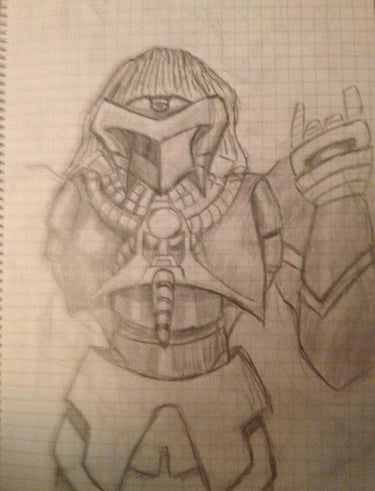
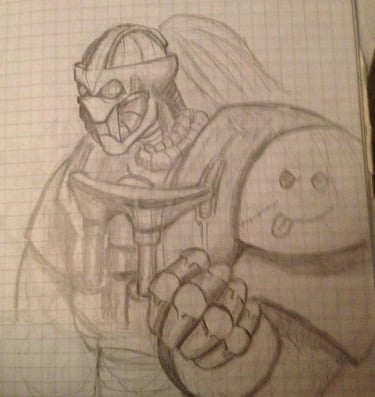
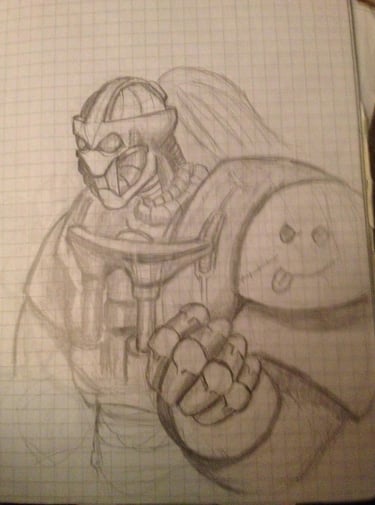
Some old drawings of mine.
Barbarian Jack
Speaking of Conan, I was five years old when I saw John Milius’ film Conan the Barbarian (1982), and I still think it’s the best sword-and-sorcery adaptation.
Seeing that movie made me draw Conan, and it bothers me that those drawings are no longer saved, because they must have had a child’s honest interpretation of the subject. But I started drawing muscular bodies at that young age, and soon after my Conan phase I ran into He-Man, which was my generation’s hit. Because I never got the official plastic castles, I built my own castles out of cardboard boxes and milk cartons. Then I painted them to look the part. So He-Man wasn’t just play for me, it was also creativity. Around that time I also discovered my big brother’s comics, and the one that hit me the hardest was The Savage Sword of Conan.
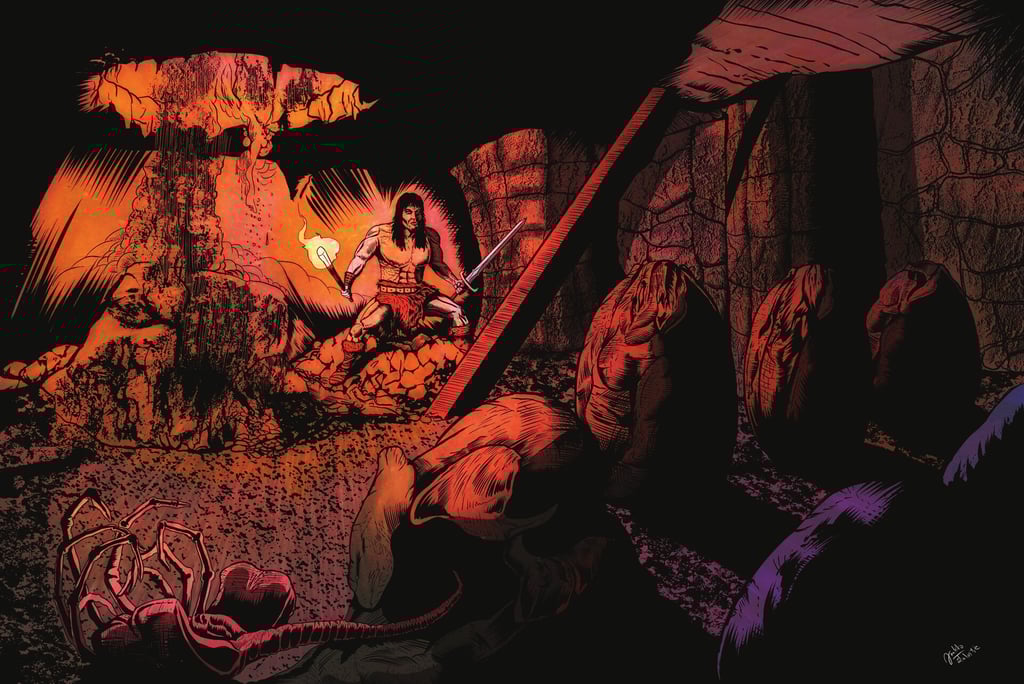
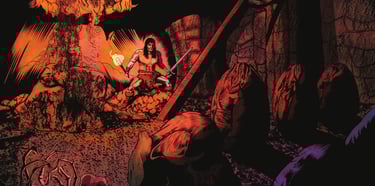
Fan art from a couple of years ago: Conan the Barbarian meets the Aliens. In space, no one can hear the lamentation of their women.
Superhero Jack
When exaggerated muscular men and shapely women get programmed that strongly into a young boy’s mind, it’s no surprise that next I got into superheroes.
Marvel and DC offered comics where the characters are drawn with perfect anatomy and bodies that are their own kind of aesthetic. If you think of a character like Spider-Man, he’s muscular, though a slim one. The Hulk is like a wall of muscle, but most artists have still managed to make him look like an exaggerated Greek sculpture. She-Hulk is a muscular woman, but she doesn’t lose her feminine side. Reading these book after book trained the eye, especially since I also drew them myself. And I still like drawing them as a fan whenever I have time alongside my own work.
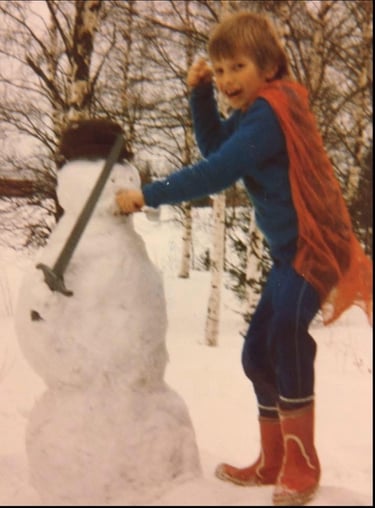
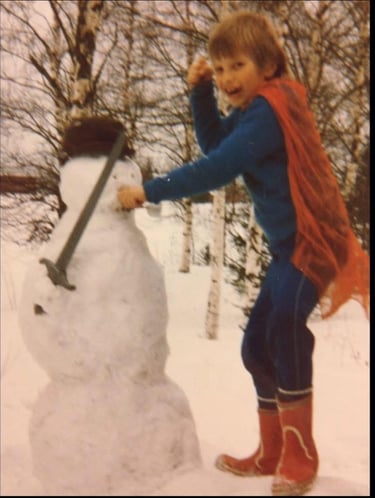
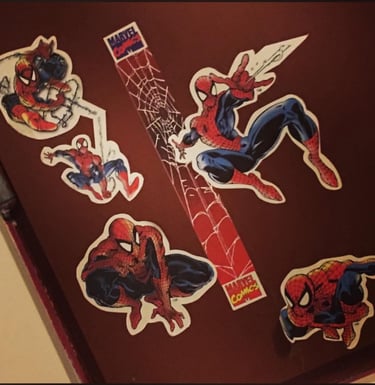
Me as Superman, a long time ago.
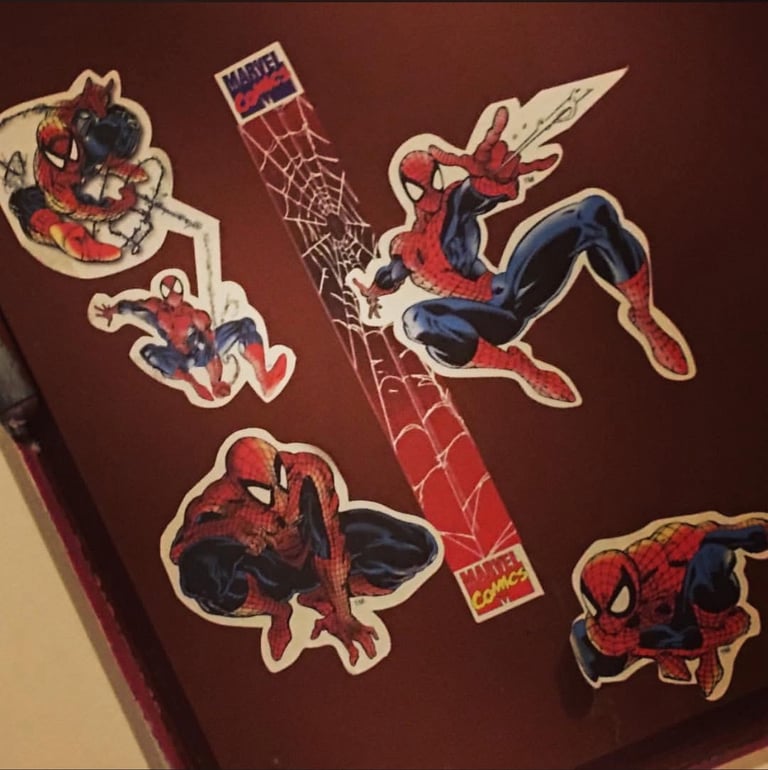
In my childhood home, the walls of my old room still have these stickers on them.
Fan Jack
The graphic style of Conan the Barbarian and superhero comics also drilled in the style of how to draw.
John Buscema’s black-and-white Conans pulled me toward mood and tight facial expressions. Ron Frenz, John Romita Jr., and Norm Breyfogle showed how to portray fast action in urban environments. I dare say nobody ever put as much speed into Batman’s punch as Norm Breyfogle did. And if you read the action I draw, that influence shows in Fatal-Ray too. But then Todd McFarlane arrived and, damn, he blew the bank. All those details changed the whole game overnight, and I started doing more meticulous work, but there was a trap in it. When you cram an image full of tiny details, the image no longer dominates, the details scramble the whole. McFarlane mastered that craft, but I’m still practicing it. In Fatal-Ray there are panels here and there where you can see it. Besides McFarlane, I also like other highly detailed artists, like Geof Darrow, whose panels you can stare at almost forever. Last, but definitely not least, I have to mention Simon Bisley, who gave me a conflict. Do I want to draw inked line art, or painted art? I’ve tried both, and in Fatal-Ray I kind of combine these techniques into one. Bisley’s art became familiar to me through the best-looking comic in the world: Batman vs. Judge Dredd.
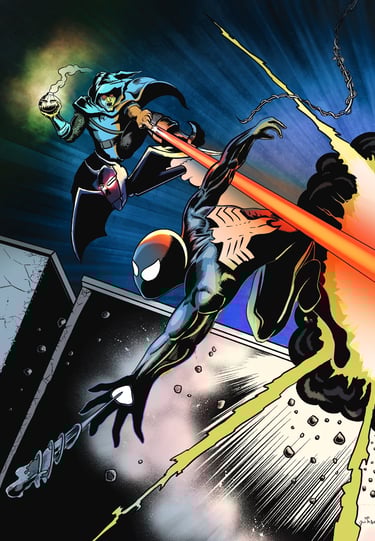
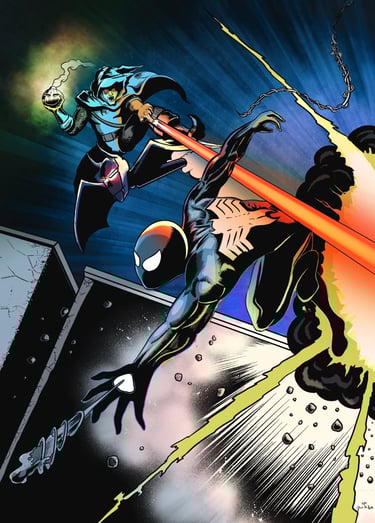
My fan art: Spider-Man vs. Hobgoblin.
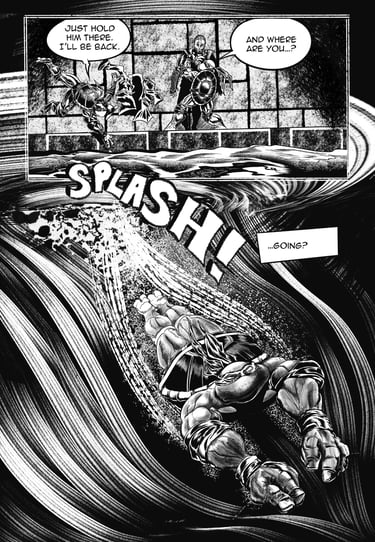
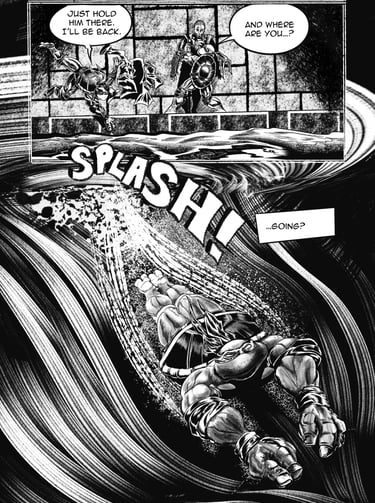
My fan fiction: TMNT
Attitude Jack
Simon Bisley’s head-turning art led me to the character Judge Dredd, and for some reason I hadn’t read Dredd earlier, even though it was available before Bisley’s Batman vs. Judge Dredd book.
Maybe that was because Dredd isn’t a sleek athlete like the other characters mentioned here with rounded muscles. Dredd is more like a twig in a uniform. And that uniform makes him part of his world’s machinery rather than a unique hero. With Dredd, every now and then you have to stop and check which one of these Judges is Dredd.
Despite that small speed bump, I started reading Dredd and goddamn, it blew my mind. Incredible artists, but even more incredible stories. Every single panel is full of satire, and there are no apologies for the attitude. I love that. Where Conan the Barbarian’s attitude came through in the hero’s “I don’t take shit from anyone” vibe, in Dredd the attitude comes through the coldness of the world itself. In Dredd you genuinely pity the citizens living under the Judges’ system. And now that I think about it, my way of writing takes a big influence from here. Even though Fatal-Ray leans toward realism, between the lines you can still feel Judge Dredd.
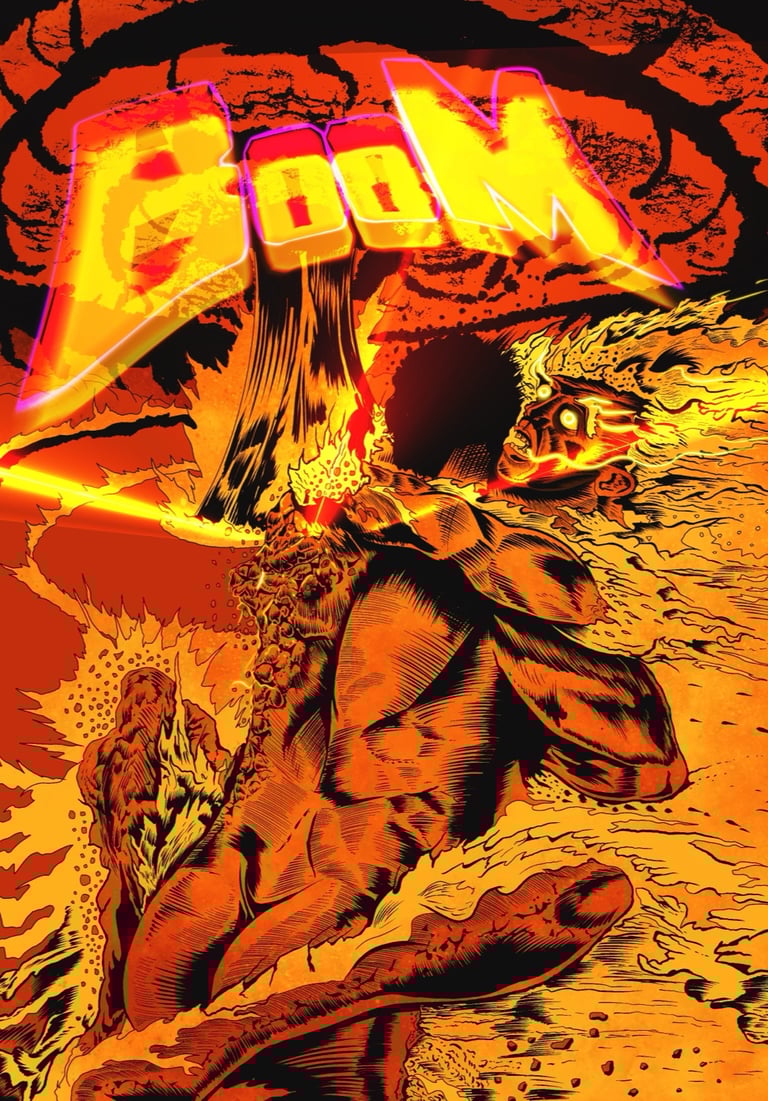
My artwork about love and nuclear war.
Thrash Metal Jack
When it comes to attitude in general, it probably won’t surprise you that I’m a metalhead.
Despite my calm nature, my inner fire is always burning, and it’s no wonder my favorite bands include Megadeth, Krestor, Vektor, and so on. My way of handling stress and anxiety is to channel it through art, and that’s why a barrage pours out of my pen, something you can compare to the rough sound of heavy metal bands. I’ve always said I have two sacred things: comics and thrash metal.
Twenty years ago I got my nickname from Megadeth’s song “Rattlehead.” And when I played in my own band, Murdread, I played a Jackson guitar. Back then I used to dream I could scratch the Jackson logo off the guitar and write “Jack the Rattle” in its place. Even though I never did that, I used the nickname Jack the Rattle on internet forums and in online games. Eventually it became my artist name.
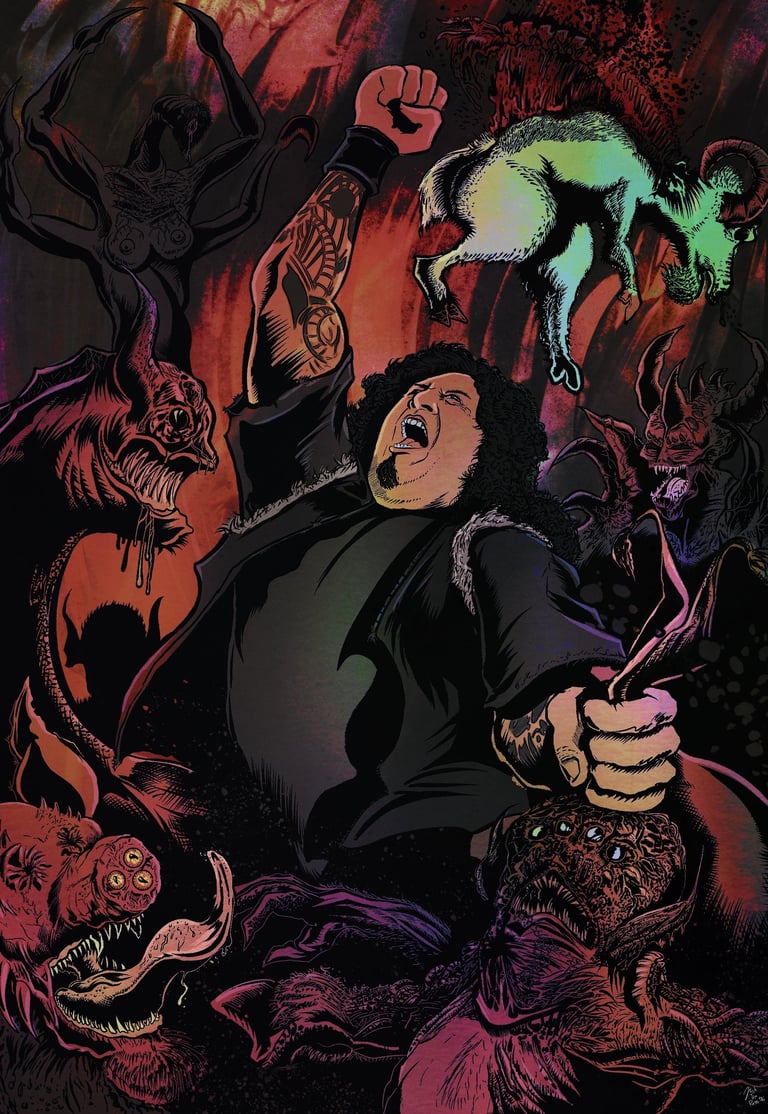
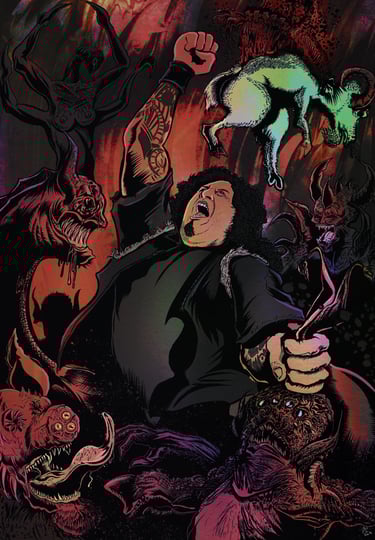
My fan art: Chuck Billy from Testament fighting through demons.
Indie Jack
I’ve been indie for a long time. The board game I made was self-published. The comic connected to it was self-published.
This route isn’t easy, because the big houses run the world. But despite that, the importance of indie creators is huge, because it’s the only way to create something new. Big houses trust calculated data more than an innovative outburst. That’s why I’m proud to be an indie creator, because I don’t have to ask permission when I make something. I can always be my own dangerous self.
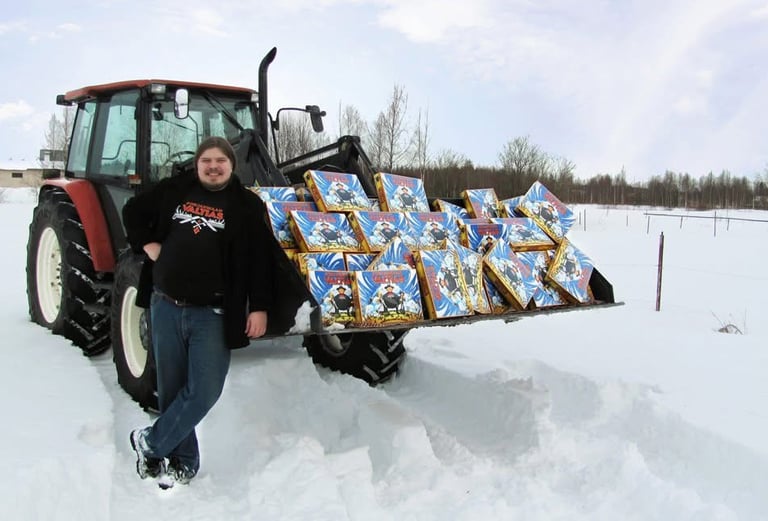
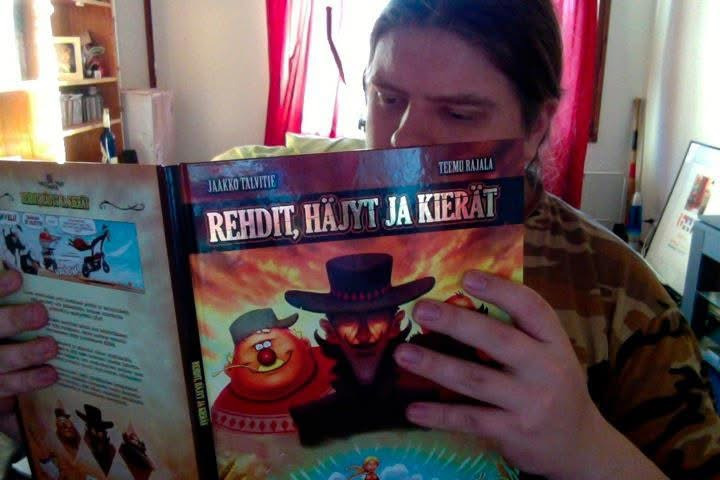
A promo pic about the board games.
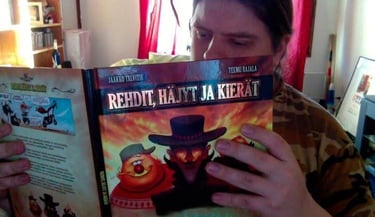
My first published comic, illustrated by my friend and written by me.
© 2025 Jack the Rattle. All rights reserved. Unauthorized copying or use of any images or text is prohibited.